
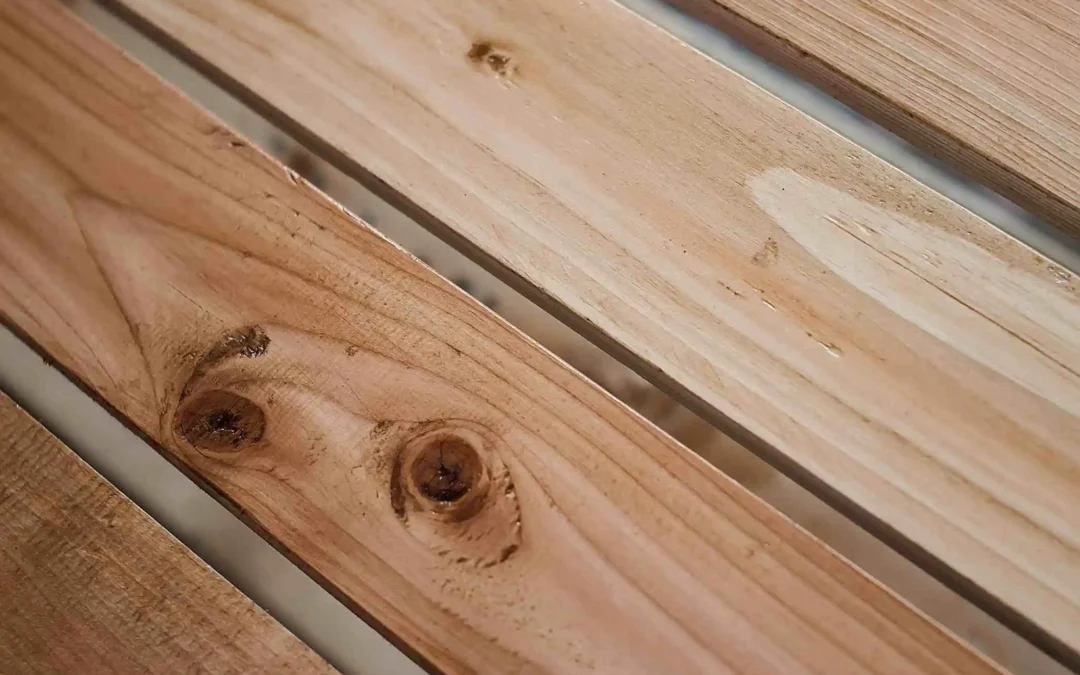
When you walk into a well‑furnished room, a crisp hallway, or a sturdy house, you can almost feel the grain of the wood that’s holding everything together. Among the many woods that make up our built environment, one species stands out for its versatility, durability, and timeless beauty: white oak. Whether you’re a woodworker, a homeowner, a contractor, or just a wood lover, understanding why white oak is such a valuable material can help you make better choices – from selecting a dining table to framing a new house.
Guide
Below is a comprehensive, yet reader‑friendly guide to why white oak is the “Swiss Army knife” of wood. We’ll cover its key characteristics, practical benefits for different industries, tips for caring for it, and even some cool projects that showcase its versatility. Grab a cup of coffee, and let’s dive in.
A Quick Look at White Oak
White oak is a deciduous hardwood native to eastern North America. It’s the same tree that produces the hardwood used in classic U.S. furniture, shipbuilding, barrel-making, and even the famous “white oak” furniture from the early 20th‑century Arts and Crafts movement. A few facts to keep in mind:
Features
| Hardness | 15 on the Janka scale (fairly hard, but not as hard as some exotic hardwoods) |
| Density | 0.63–0.71 g/cm³ (moderately dense) |
| Color | Light to medium brown with subtle reds |
| Grain | Straight, sometimes interlocked, with a fine, even texture |
| Durability | High resistance to decay and insect attack when properly seasoned |
| Availability | Widely available across North America, often at a moderate price point |
These traits combine to give white oak a gentle balance of strength, workability, and aesthetic appeal. Let’s investigate how each of those traits translates into real‑world benefits.
Why White Oak Is Great for Furniture
1- Strength Without Bulk
White oak’s relative strength means you can create large furniture pieces without adding excessive weight. A sturdy oak table will feel solid and reassuring to sit at, while still being easier for movers to handle than a comparable piece of denser hardwood like mahogany.
2-Warm, Classic Appearance
The light-brown color with subtle undertones of red makes white oak incredibly versatile. It can be finished to a high sheen, matte, or anything in between, and it pairs beautifully with a wide array of paint colors, stains, and even upholstery fabrics. That’s why many designers favor it for both modern minimalist and rustic farmhouse styles.
3-Workability for Joinery
One of the most beloved traits among woodworkers is that white oak is relatively easy to work with advanced joinery techniques—mortise‑tenon, dovetail, dowel, and even modern glue‑down constructions. Its grain is consistent enough to keep screws and nails from cracking the wood, yet not so smooth that it will refuse to hold them.
4-Longevity
A well‑finished white oak chair is likely to outlast its peer made from lower‑quality lumber, thanks to the natural oils and tannins that give it resistance to rot and insect damage. Over decades, a white oak table might even develop a beautiful patina that tells a story of family gatherings and holiday feasts.
White Oak in Interior Design
1-Flooring
White oak flooring has surged in popularity because it offers the classic look of hardwood with a softer feel underfoot. Its grain patterns are striking on a wide planks layout, while its natural stability means fewer warps or twists compared to maple or pine.
*Tip:* For a modern loft, pair white oak flooring with clean, white walls and warm metal fixtures to create an airy, bright atmosphere.
2-Wall Paneling & Crown Molding
White oak’s subtle grain makes it an excellent backdrop for accent walls. Because the grain variation is less pronounced than in walnut or cherry, it won’t distract from artwork or photographs. Crown molding carved from white oak retains fine detail, giving rooms a sophisticated touch.
3-Cabinetry
In kitchens and bathrooms, white oak cabinetry offers both durability and a neutral backdrop that complements glossy countertops, tile backsplashes, or even bold backsplash colors. The wood’s natural resistance to moisture makes it suitable for cabinets that will see frequent contact with water.
White Oak in the Construction Industry
1- Frame & Sheathing
Structural components like studs, joists, and framing beams benefit from white oak’s strength-to-weight ratio. In modern engineered wood products, oak is often mixed with other timbers to create “mixed‑species” lumber that retains oak’s resistance while lowering cost. White oak’s moisture resistance also reduces the risk of warping or splitting when used as sheathing.
2-Ceilings & Stair Treads
White oak is often chosen for exposed ceiling panels, especially in historic renovations or high‑end commercial spaces. Its grain and color give a sense of depth and elegance. For stair treads, the wood’s hardness ensures that repeated foot traffic won’t quickly wear down the surface.
3- Exterior Decking
Decking made from white oak offers a balance of aesthetics and performance. While it is more expensive than pressure‑treated pine, it yields a natural color that ages beautifully into a warm, weathered look. The wood’s natural oils help resist mildew and rot, meaning less maintenance over time.
White Oak in Handy Crafts
1-Tool Handles
Because white oak is hard yet not too brittle, it’s a favorite for wooden tool handles. Think of hand‑carved woodworking tools or even simple kitchen utensils. The grain can be honed to a smooth finish, and the wood’s natural oils give it a pleasant feel.
2-Musical Instruments
Certain acoustic guitars and other instruments use white oak for the back and sides, as it offers resonant qualities and an attractive light tone. While not as “loud” as spruce, its stability makes it suitable for custom builds.
3-Decorative Boxes & Containers
Craftspeople love white oak for creating storage boxes, jewelry cases, or even decorative birdhouses. The wood’s tight grain holds glue and finishes well, resulting in a clean, long‑lasting product.
4-Barrel Making
Traditionally, white oak has been used to make wine and whiskey barrels. Its high tannin content and tight grain help naturally preserve the liquid, contributing to complex flavor profiles. Hobbyists can experiment with home‑made barrels for aging beer or homemade spirits.
Sustainability and Environmental Impact
1-Responsible Harvesting
White oak is a long‑lived tree, often taking 80–120 years to reach full maturity. In North America, many forests practice sustainable harvesting: cutting only a portion of trees while allowing others to grow and replenish the forest. This continuous cycle reduces the ecological footprint.
2-Low VOC Finishes
Because white oak’s natural oils are relatively low, it tolerates a variety of finishes, including low‑VOC stains and sealants. Choosing a finish with low volatile organic compounds ensures healthier indoor air quality and a smaller environmental impact.
3-Recyclable and Reusable
Wood, in general, is biodegradable. If a white oak piece of furniture is no longer usable, it can be repurposed into a new project, or even ground down into charcoal or mulch. This circular approach extends the life of the material far beyond its initial use.
Care and Maintenance Tips
Task | How to Do It | Frequency
Cleaning. Use a dry microfiber cloth. For deeper dust, a soft brush or a slightly damp cloth with mild soap. (Weekly)
Polishing. Light oil or wax applied with a soft cloth. (Every 3–6 months)
Protecting from Sunlight. Use curtains or UV‑blocking films on windows. (As needed)
Repairing Scratches. Small gouges can be filled with wood filler, sanded flush, and stained to match. (When needed)
Re-finish. If the finish becomes worn, strip and reapply a new coat. (Every 5–7 years, depending on use)
Pro tip: If you live in a humid area, consider a sealant that offers both water repellence and breathability. This protects the wood from fungal growth without trapping moisture inside.
Real‑World Examples: From Classic to Contemporary
Project | White Oak Feature | Why It Worked ?
Colonial‑style dining room. Oak crown molding, table, and chairs | The grain echoed the historic architecture.
Modern loft kitchen. White oak cabinets, open shelving. The light color brightened the space, complementing stainless steel appliances.
Craftsman‑style porch. Oak deck, pergola framing. The natural durability of oak withstood weather exposure.
Custom fiddle. Oak back and sides, The tonal qualities added warmth to the instrument’s sound.
These examples highlight how white oak can adapt to a wide range of design languages and functional demands.
Frequently Asked Questions
Q: Is white oak suitable for exterior use?
A: Yes, especially if it’s properly finished. The natural oils give it decent weather resistance, but for long‑term exposure, apply a high‑quality exterior sealant.
Q: How does white oak compare to maple in furniture?
A: Maple is often lighter in color and slightly harder. White oak’s grain and natural tannins give a richer color, and it’s usually less expensive, making it a more budget‑friendly choice for many projects.
Q: Can I use white oak for a high‑traffic patio?
A: If you need a completely outdoor deck, a pressure‑treated pine or composite material might be cheaper. However, white oak decking can be a premium option for those willing to invest in higher quality and lower maintenance.
Q: Are there seasonal variations when cutting white oak?
A: Yes. The best time to harvest is typically late summer or early fall, when the tree’s sap has moved to the trunk but the moisture content is still manageable, reducing warping risk.
Closing Thoughts
White oak is more than just a beautiful hardwood; it’s a material that marries strength, versatility, and sustainability. Its subtle grain and warm tones find a place in furniture that feels both timeless and modern. In interior design, it offers a neutral canvas that adapts to any style—from rustic farmhouse to sleek industrial loft. In construction, its natural durability and moisture resistance make it a reliable choice for framing, flooring, and exterior decking. And in crafts, its workability and richness of texture inspire everything from musical instruments to barrel‑crafting.
If you’re looking to create pieces that will stand the test of time—both physically and aesthetically—white oak should be at the top of your list. Whether you’re a seasoned woodworker or a DIY enthusiast just starting out, this hardwood offers a rewarding experience and a product you’ll cherish for years to come.
Happy building, and may your white oak projects bring warmth and resilience to every space they touch!